ZOOM lecture. Wednesday 18th January. 2023.
On a very cold night the Bristol HA had their only Zoom lecture so far this season with an audience of 56. Miri Rubin of Queen Mary University London addressed the lives of Women in Medieval Society. Ranging over centuries and North and Southern Europe she brought out three main strands; marriage, work, and religion. Whilst acknowledging the wide differences between regions and kingdoms of different peoples, she pulled together some fascinating common strands. She began with the early pioneers of this topic such as Eileen Power and Natalie Zemon Davies (The Return of Martin Guerre), how to study women and the need to find the evidence and sources for most women rather than the exceptional minority. Patriarchy was she argued always a useful term. Both Bible interpretations and the ideas of the Four Humours had supported this system but she also argued that Christian marriage with its emphasis on marriage for life and as an act of free will gave a different structure to European marriage. In the world of labour women were shown as workers in textiles (especially silk), heavy agricultural work, brewing and even as members of Guilds. The special status of widows of craftsmen were examined. In family life the different views of male historians Phillipe Aries and Lawrence Stone that saw childhood as a later invention were set against the pioneering work of Shulamith Shakar which had examined the evidence in family for genuine grief for the death of children and the wide range of emotions of parents rather than the detached parenthood that the earlier male historian had argued for. Tuscan cities with evidence from a detailed 15th century Florentine census gave evidence for women living lives as “singletons” and as in modern day cities a population where women outnumbered men. Religion in parishes, nunneries and through personal devotion was another aspect of female life. The role of female saints and Mary as role models for women was illustrated with some spectacular art work. The holy family’s importance with both Mary and Joseph as the “social father” was discussed including a brilliant carving of St Joseph washing nappies and another of both parents at their work while Jesus was in a baby walker made parallels to modern day experiences.
Art work by artists such as Giotto, Massacio and Van Eyck and by Flemish and German carvers were used as evidence. The lecture was then followed by well informed questions from members and Miri invited expert contributions from Ronald Hutton on how the Reformation changed the position of women. Thanks to everyone who joined for a fascinating lecture.
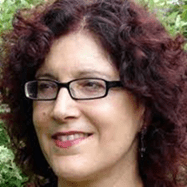
Miri Rubin 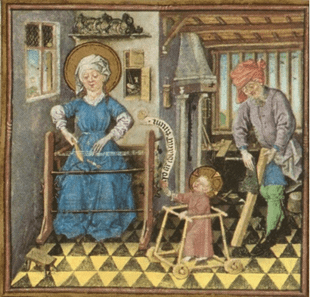
 Bristol Historical Association