
Migration in an age of plague and warfare: England in the late Middle Ages
17th April 2024
Last week our Bristol HA audience heard a highly relevant reappraisal of ideas on immigration and population movement in the context of England in the late Middle Ages. Professor Smith’s lecture took in modern views of the Windrush generation and the focus on immigration in an election year in the UK. He shared his observations on protests that Republic of Ireland was “full up” despite its population being 3 million less than before the famine of the 1840s and claims that a billion immigrants were on the move across the Globe.
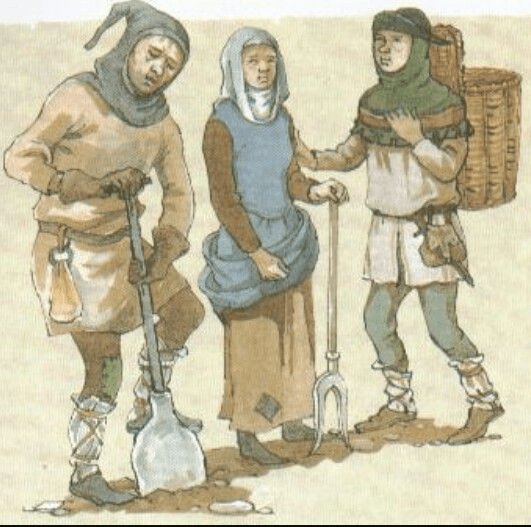
He urged the need for historical context that went back before the 19th century nation state to overturn the myth that “no-one was allowed to travel beyond the next town”. Great medievalists like Marc Bloch had created a view of the medieval society of isolated, sedentary peasants when much more global experience and trade existed. Peasants in fact got up and left the land, re-locating in large numbers and in an age before the modern ‘state’ existed the authorities lacked the power to stop them. The key drivers for this movement in the late middle ages were plague and warfare.
He sought to distinguish between three types of population movement then and now. Immigration, Emigration, and internal migration. He cited Mark Ormrod’s website which showed the experience of those who moved to England between 1350-1550 http://www.englandsimmigrants.com/
The resident alien populations of medieval cities and towns were of similar proportion to London in 1901. There were periodic moments of anti-foreign feeling. This included the massacre of the Flemish community in London in1381. Regarding emigration the experiences in Gascony, the Channel Islands and Ireland paralleled those of the 19th century British Empire. Particularly striking were the so-called “idle men” who in the Hundred Years War brought pillage and mayhem to France and often became mercenaries in other European conflicts. Most importantly the internal migration because of labour shortages after the Black Death caused rural peasants to get up and move to the towns which needed newcomers especially those with skills. In the South West industries attracted populations because of the woollen industry. This internal migration rather than peasant rebellions led to the break up of the feudal system. Brendan concluded with a quote from Thomas Hardy who lamented the decline of the traditional old customs of the English countryside in the 19th century as people moved away. Brendan suggested that populations had never been static and the countryside had seen movement and change throughout the late Middle Ages.
There followed some excellent questions from our audience. Many of us who think of ourselves as modern or even contemporary historians were given real food for thought by Professor Smith.
 Bristol Historical Association