
‘The History of the Present’
15th January 2025
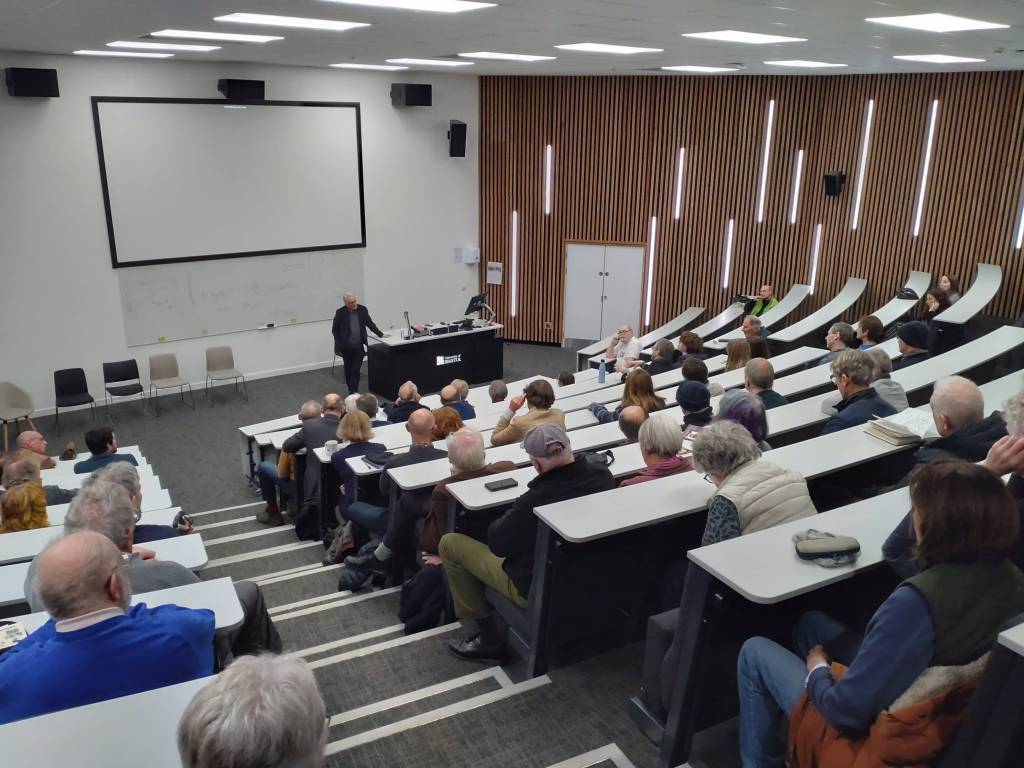
A very well attended lecture (79) heard Martin Conway present the arguments on why 25 years into the 21st century historians should re-examine the perspectives from which they examine the previous century. The historians in 1960s and ‘70s came from a specific starting point. A liberal and democratic Europe had emerged out of the darkness of Nazism, the war and holocaust, mass violence and retribution. Scholars of this generation were supported to explore the archives, presenting the case that Western Europe should not return to the chaos of the 1920s and darkness of the 1930s and ‘40s. This version of history was written by a population of white, male historians as he cited the work of Tony Judd. Other areas of European history were often ignored, in particular imperialism and racial diversity. The arrival of new populations in Europe in the 1950s and ‘60s was largely overlooked while the success of Western Liberal Democracy downplayed the shortcomings of Federal Germany. The model of a Europe working together towards a united Europe was seen as the narrative that few living in 2025 would recognise. European unity was more like a rubber band close to snapping.
Professor Conway went on to explore the three factors that contributed to this. First the changed shape of Europe after 1989 with a return to the real centre of Europe not based on a small Western Europe but a Europe more like that of 1848. In addition, the relevance of the border lands of the southern Mediterranean, the Middle East including Palestine and the war in Syria. At present there are six states waiting to enter the EU.
The second factor was how the actions of governments were viewed by citizens. While perhaps 95% of historians had voted against Brexit many voters now saw themselves as consumers who no longer bought the solutions that governments in Europe, especially Brussels provided. Instead, politicians appealed to winners and losers or so-called ‘real people.’ While historians did not want to return to the 1920s and ‘30s politicians were not taking history so seriously and were moving to new forms of democracy. There were real problems regarding employment and housing and insecurity about perceived problems like criminality. Populist politicians were talking about these issues while historians, not able to find the archives for these issues in a digital age were not paying them enough attention.
The final factor Professor Conway discussed was the issue of an inclusive democracy. While the liberal historians of the 1960s and ‘70s were proud of the success of democracy, now they believed the people have gone wrong. Professor Conway argued historians are not listening to a new type of democracy because it did not fit their values and so losing touch with reality. They need to square up to the present and look at its positive aspects. Those who live in academia need to see that the wider world has real problems that do not exist in their experiences. They must listen to the voices of ‘cab drivers’ rather than dismiss things as ‘not as bad as that.’ This was why historians must move on to the perspective of the present to improve their understanding of the modern European of the twenty first century.
This thought-provoking lecture prompted some very informed questions from our audience which included several academics from the university. Having covered a range of points it was only with effort that our secretary managed to wind up the meeting before 9pm.
 Bristol Historical Association