Wednesday 18th March 2026

Adrian Bingham posed 4 key questions to introduce his lecture about the attitudes to politics of ordinary voters really new?
- The historically low turnouts of 2001 and 2005?
- The cynicism about politicians due to the expenses scandal of 2009?
- 2010s-20s: rise in populism and anti-politics
- How do we uncover how ordinary people (not activists) felt about politics in twentieth century Britian
He began by looking Arnold Freeman’s study of new voters of Sheffield in 1919 which examined the attitudes of 408 male and 408 female manual workers to see if they were ‘equipped to vote’. Freeman concluded the vast majority were not. Professor Bingham’s research unpicked Freeman’s findings to examine how the voices of these voters had been mis-interrupted or taken out of context. Women’s lives in particular with their dual burden of working both outside the home and inside had not even been considered when looking at why they were not able to engage with politics.
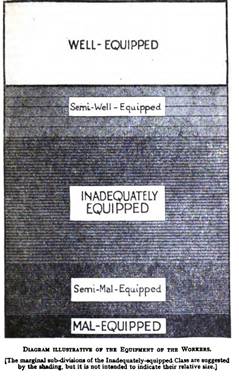
The findings of social scientists and pollsters of 20th century Britain from Mass Observation onwards were examined. While some academics saw disengagement by the electorate others argued that when politics was framed in concrete and personal terms the voters were engaged. Often politicians were not listening to voters as in 1945 when housing was the key issue with voters but not with any political party. Political scientists continued to present out of date gender stereotypes of women being disengaged and more conservative than men. The reasons for women’s disengagement were ignored. The male domination of Westminster politics up to the end of the twentieth century was clearly a shock to some of the students in the audience. The issues around the failure to reach young voters shown by how the turnout patterns have significantly widened was also explored. In terms of racial minorities Professor Bingham saw a shifting of ground from the attitudes of mainstream politicians towards Enoch Powell in the 1960s and those advancing populist right wing policies today.
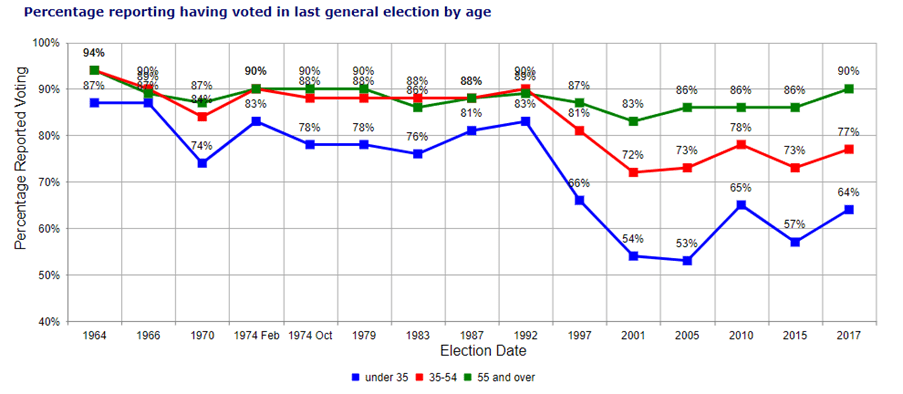
Some very relevant and thought provoking conclusions were presented. Voters were now consumers and more well informed than a century ago. Our political institutions have not adapted to a world of heightened consumer expectation, social and cultural diversity, and personal choice. The political loyalty that was based on our strong class system and worked well in our first past the post system was now in trouble. Naturally given the present political changes with the rise of Reform and the Greens and recent by-election results there were many lively questions from our audience.
A successful meeting with an audience of 59. Our next meeting on the Easter Rising in April 1916 should be equally fascinating.
 Bristol Historical Association