Acton Court tour. Hidden gem.

Acton Court tour. Sunday 19th May.

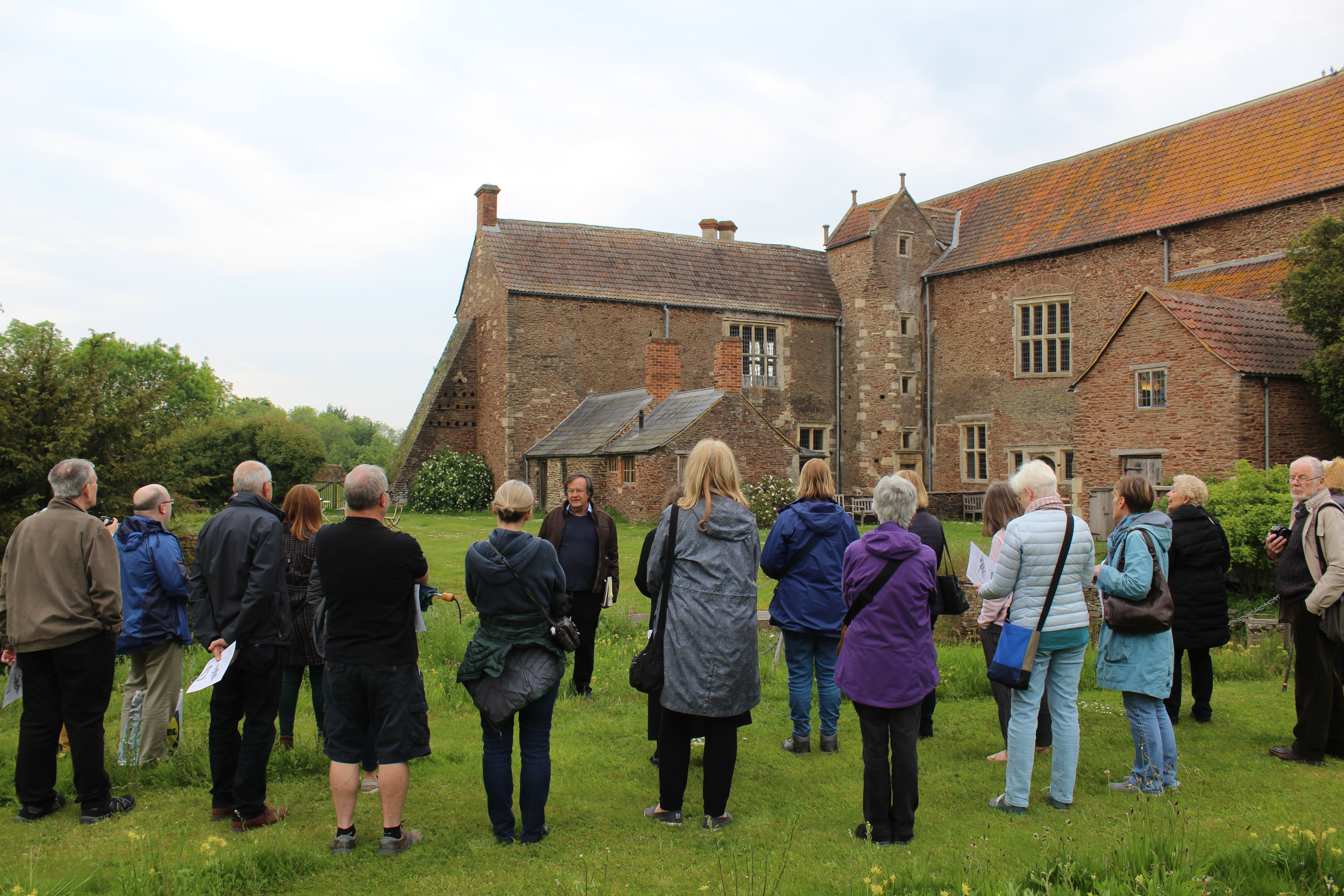
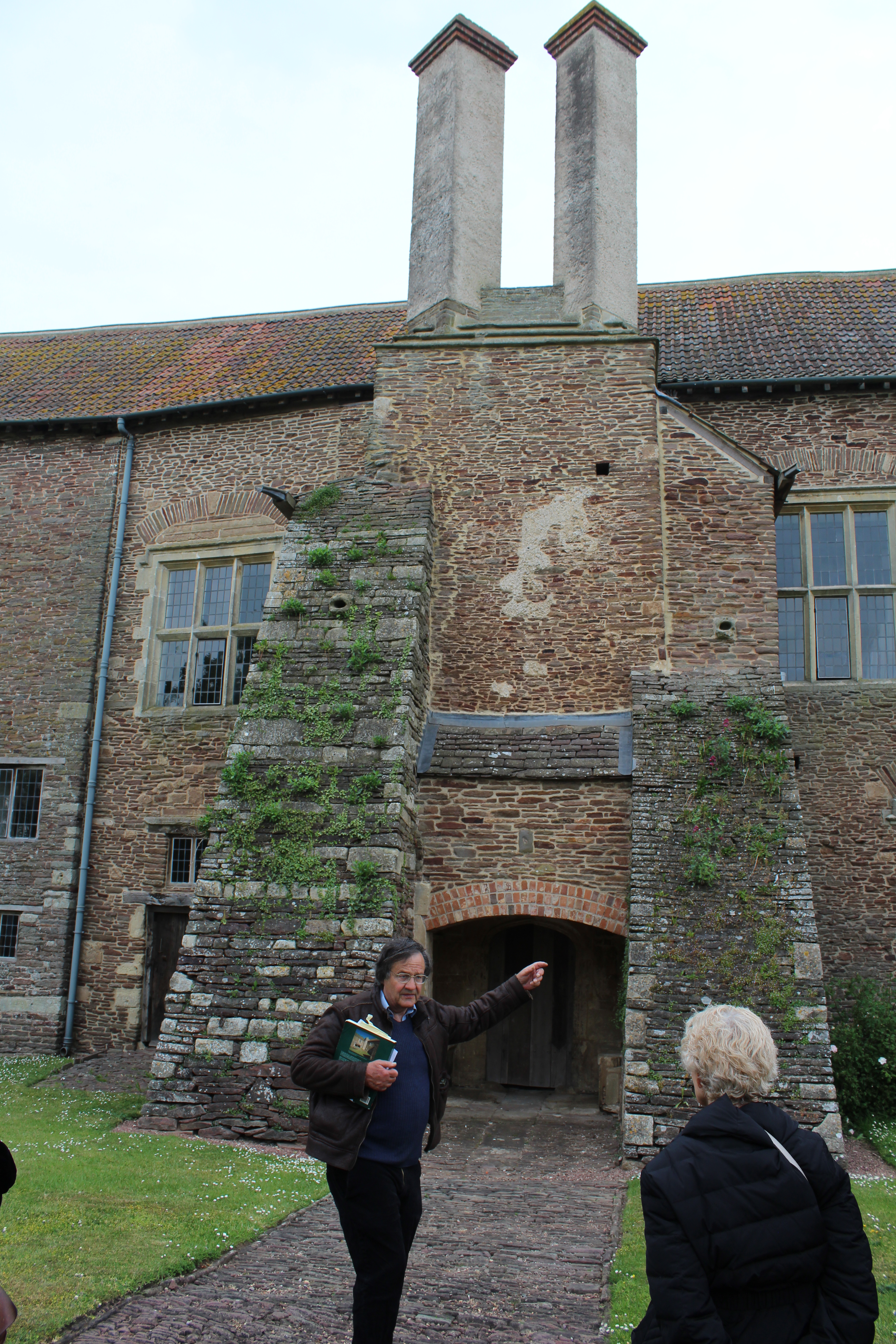
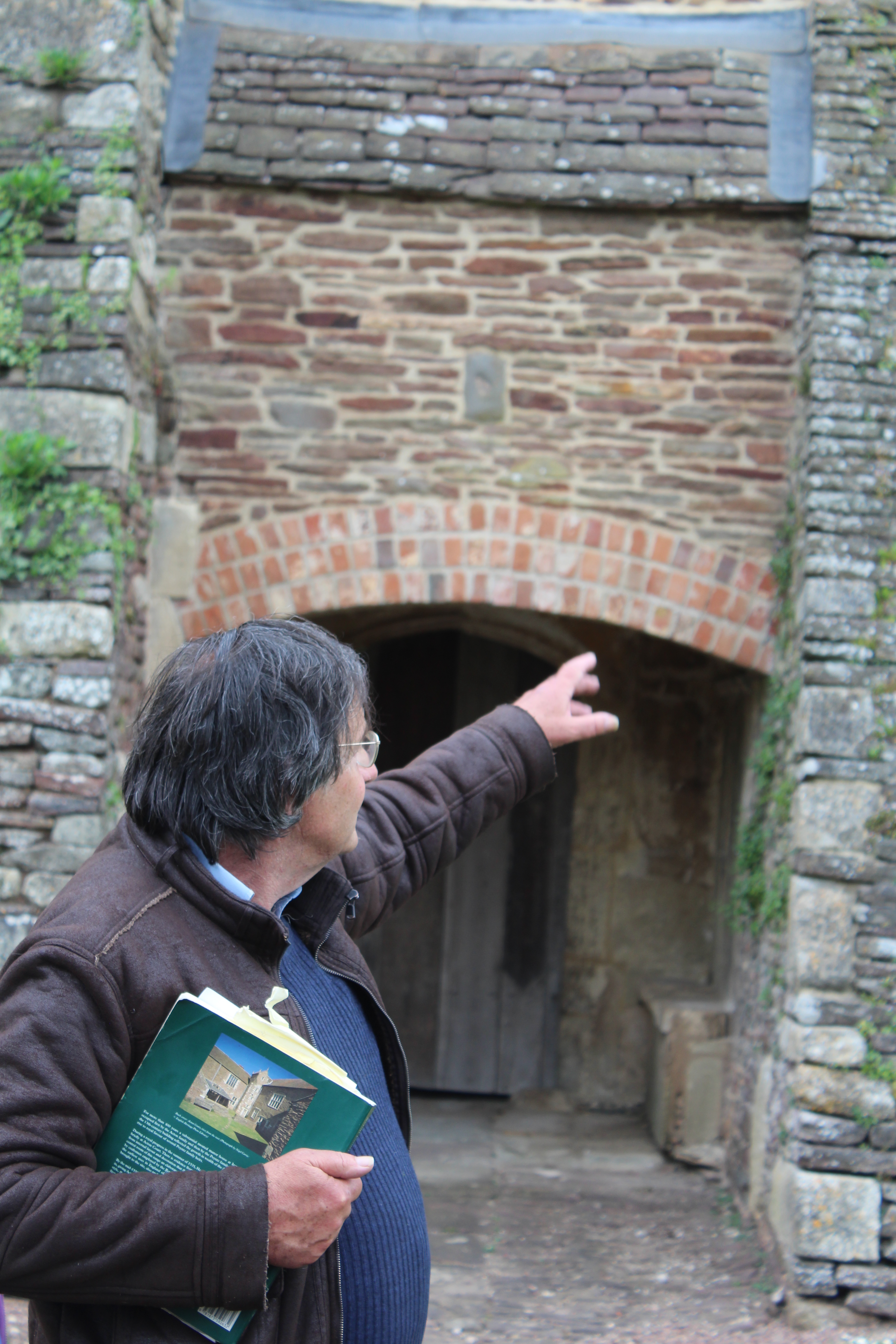
Rob Bell took us on a two hour journey around this Tudor gem. The site is like a giant jigsaw with many pieces missing. The Poyntze family (Robert and Nicholas in particular) were constantly rebuilding the house and moving things around. The archaeologists Rob Bell and Kirsty Rodwell spent many years sorting out what went where. A great deal was found in the moat which was used as a rubbish tip. Archaeologists love rubbish!

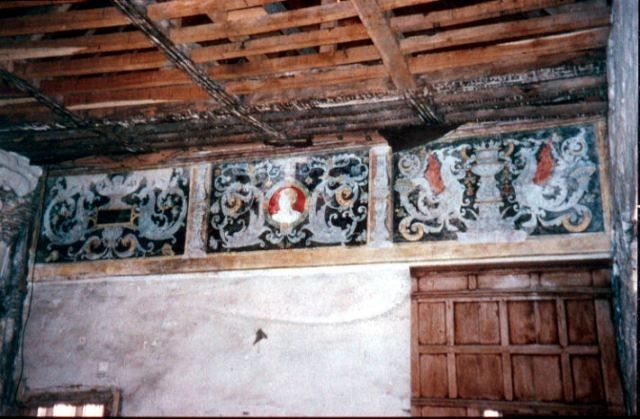
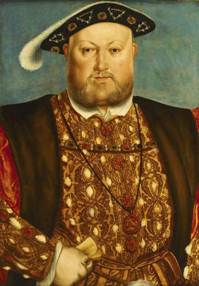
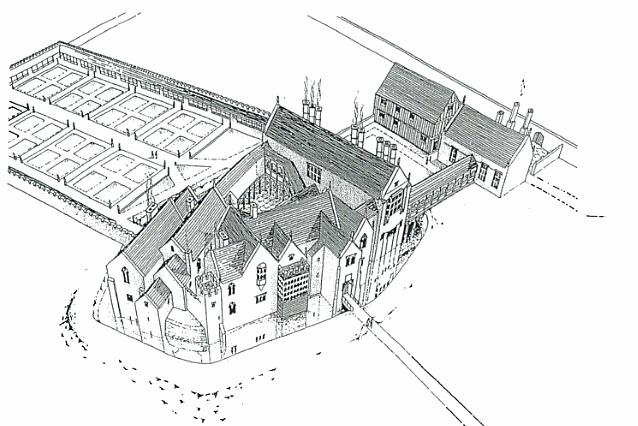
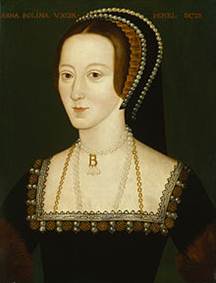
The high point in the house’s history was the 1535 visit of Henry VIII and Anne Boleyn. The East Wing was specially built for their visit. Given the speed and method of construction (nine months) it is amazing it did not collapse whilst his majesty was staying there. Unfortunately for the Poyntze family a combination of overspending on the house and backing the wrong side in 1550s led to their decline. By 1680 the family were bankrupt. Acton Court was partially dismantled and when Rob and Kirsty arrived in the 1980s the house was in a very poor state. Acton Court is not normally open to the public and so we were very lucky to be shown around. A big thank you to Rob Bell for such an exciting tour.IMG_1635

IMG_1660  Acton Court East Wing   IMG_1662 Henry VIII    acton-court-c1535 Anne Boleyn

It’s the Treaty of Versailles but not as we know it

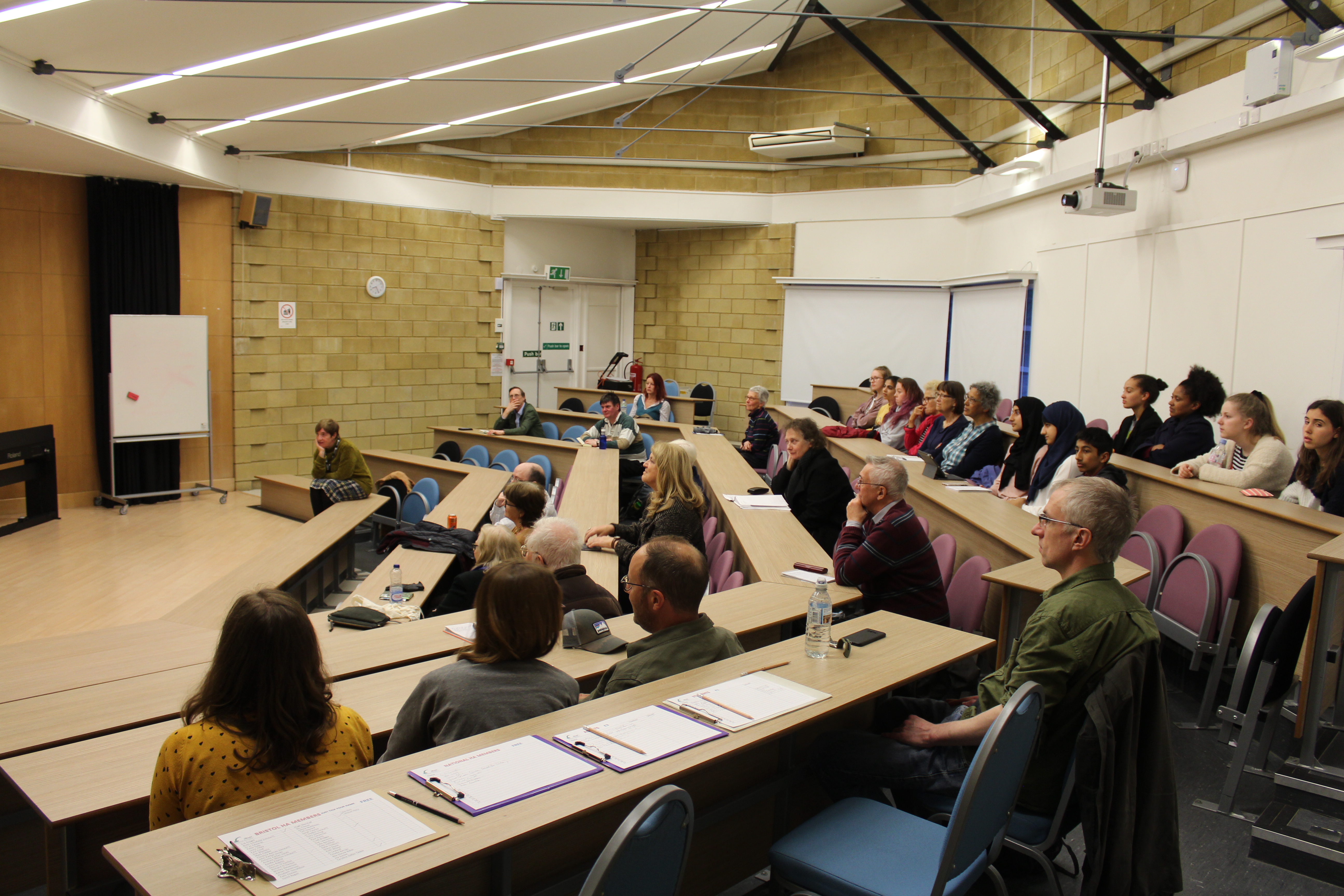
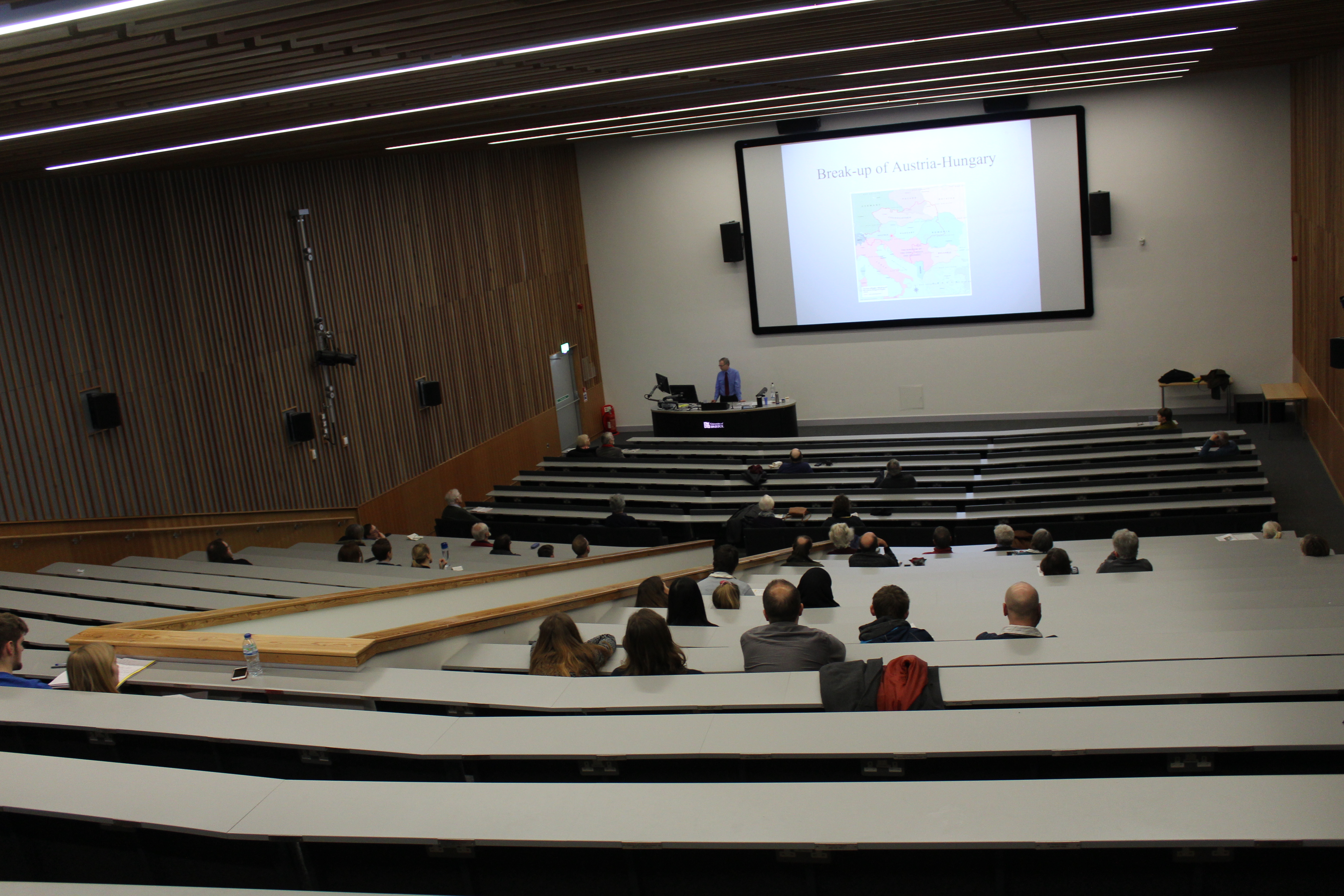
Thank you to the 43 people who attended our lecture last Wednesday (20th Feb).

Professor David Stevenson challenged some of the long held myths about the Treaty of Versailles. The British for instance were not always the good guys in the middle. Many aspects of the Treaty were soft rather than harsh. On the other hand the treaty was much harsher than the Germans had expected when they signed the 1918 Armistice. Professor Stevenson was also able to show how the Russian Civil War affected the deliberations of the Allies.

IMG_0498

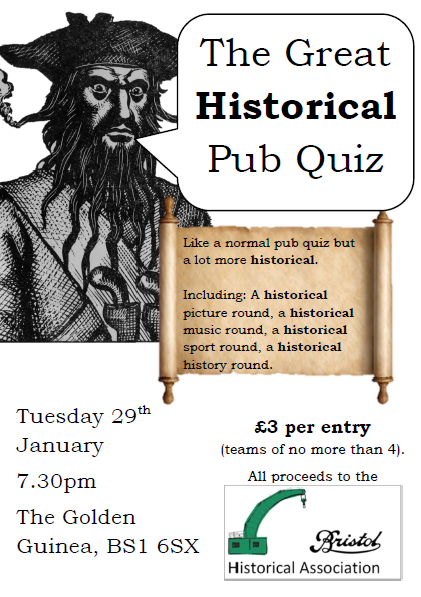
Hysterical historical pub quiz in a real pirate pub

Bristol’s HA has first pub quiz January 2019 and pub is packed!!

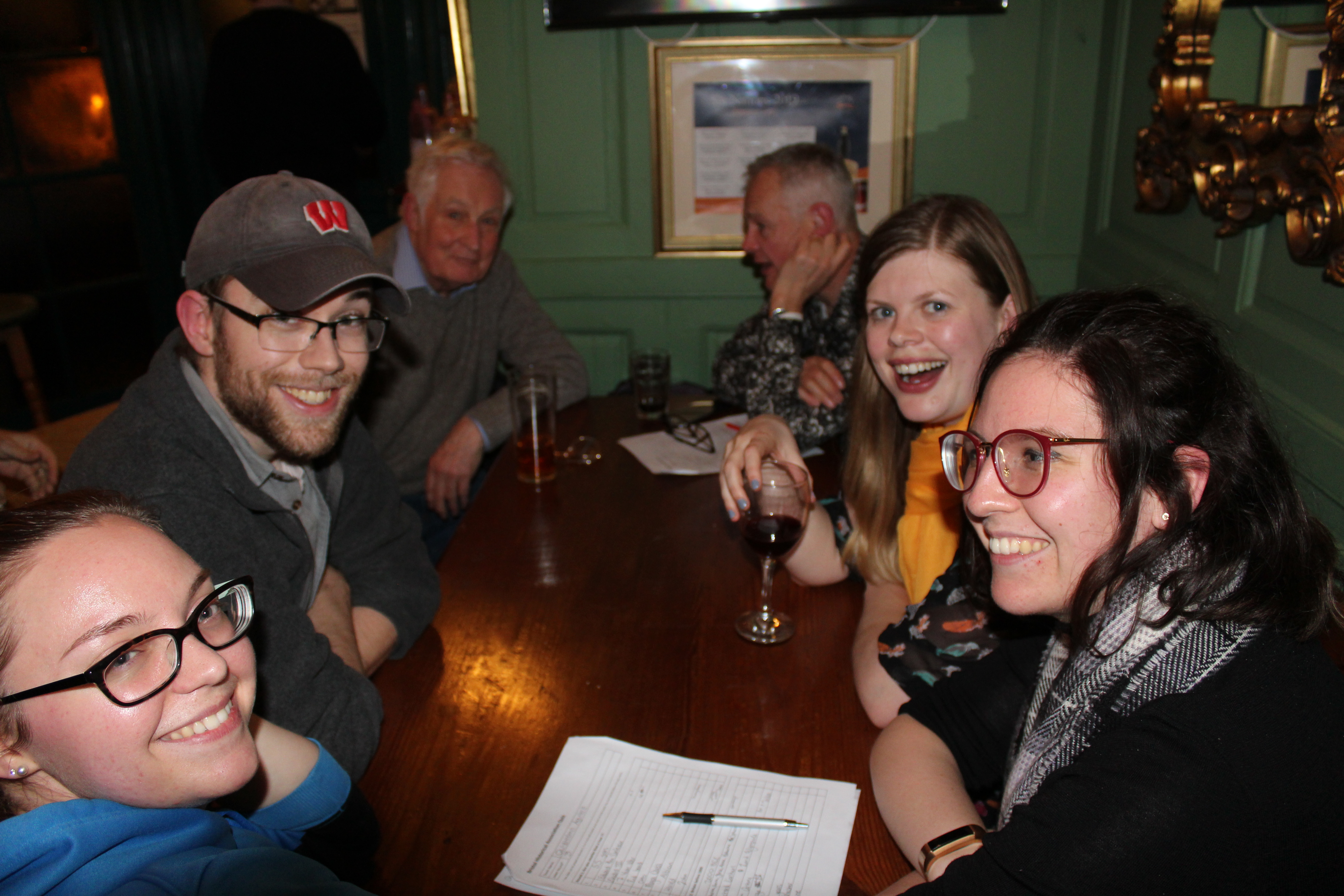
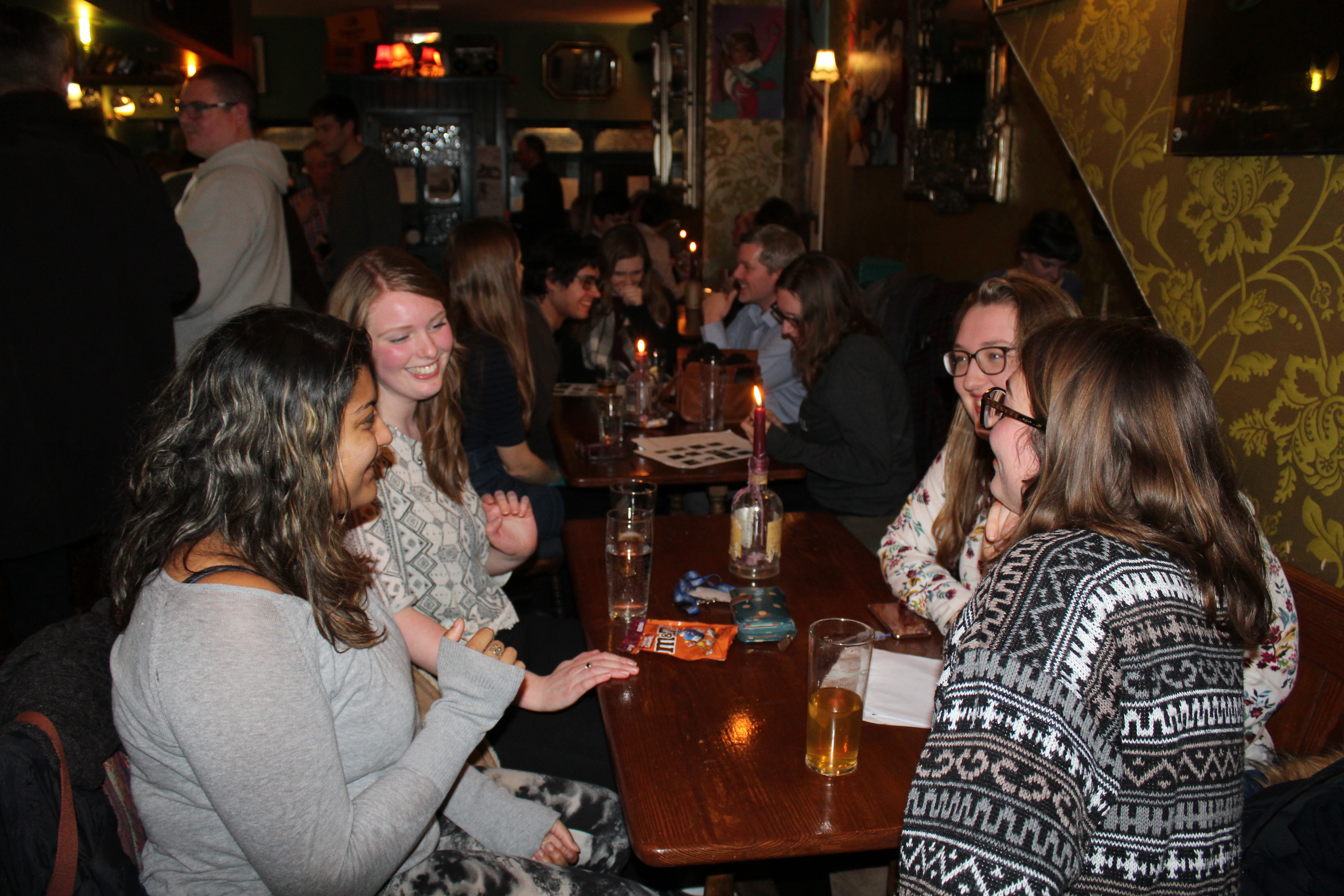
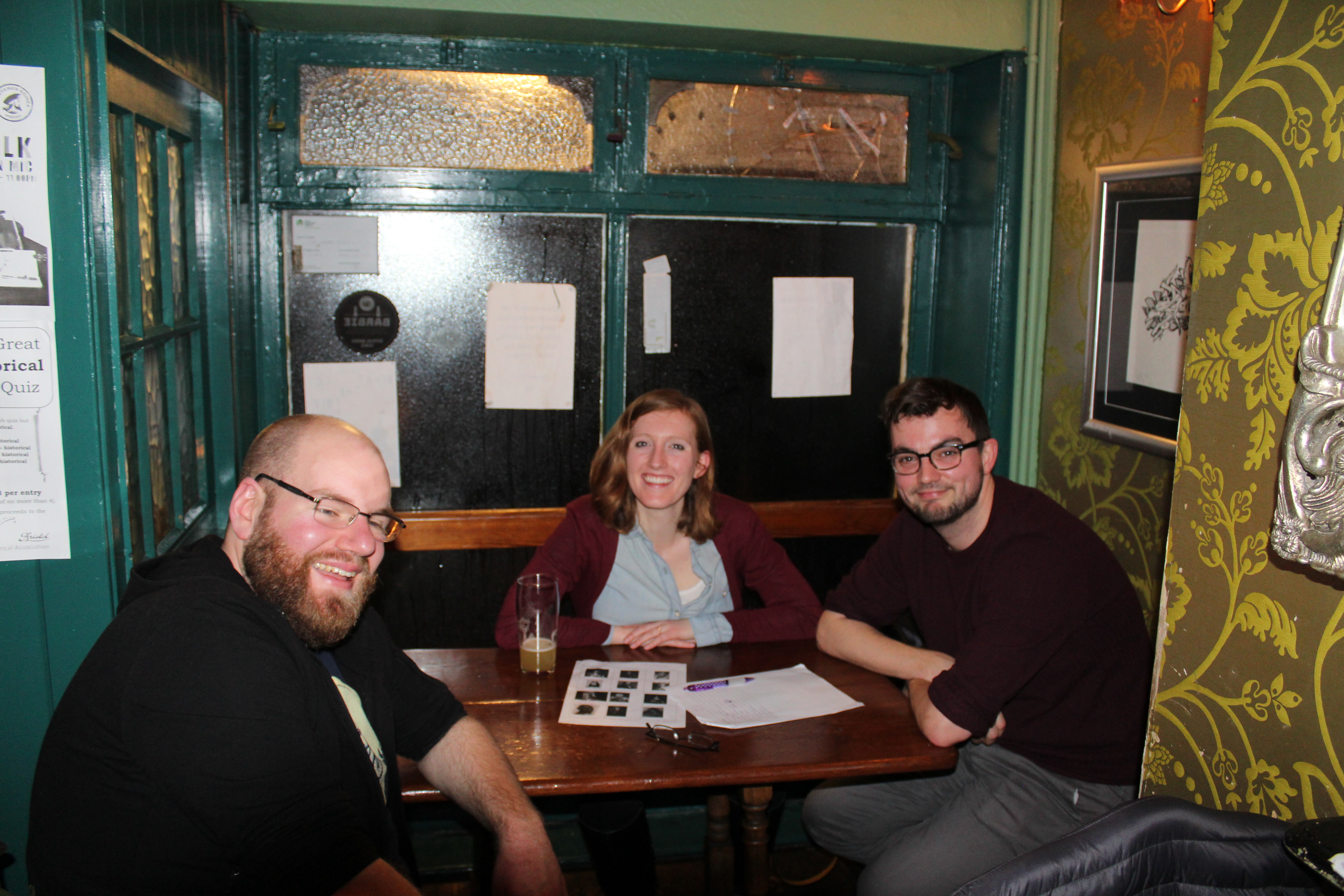
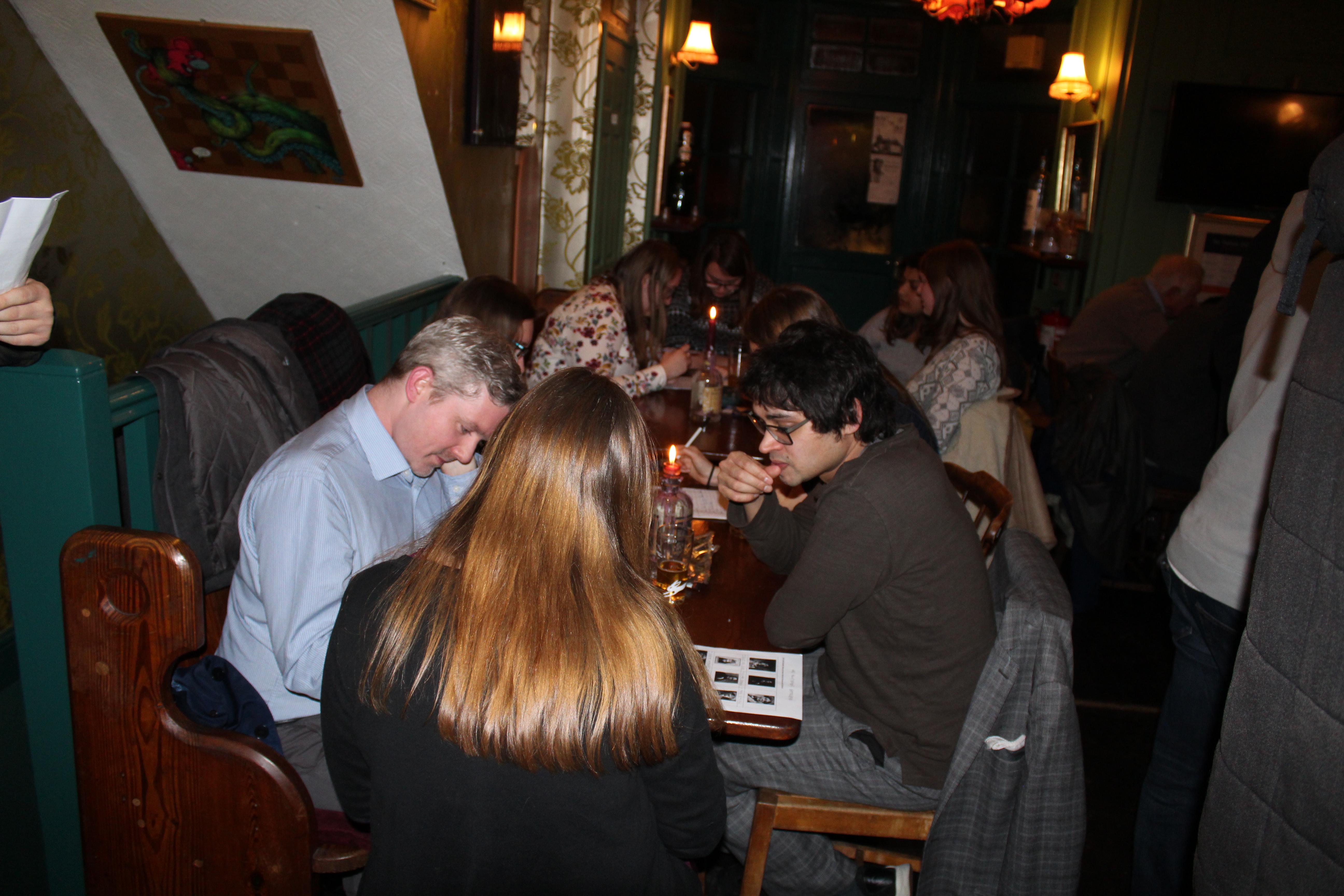
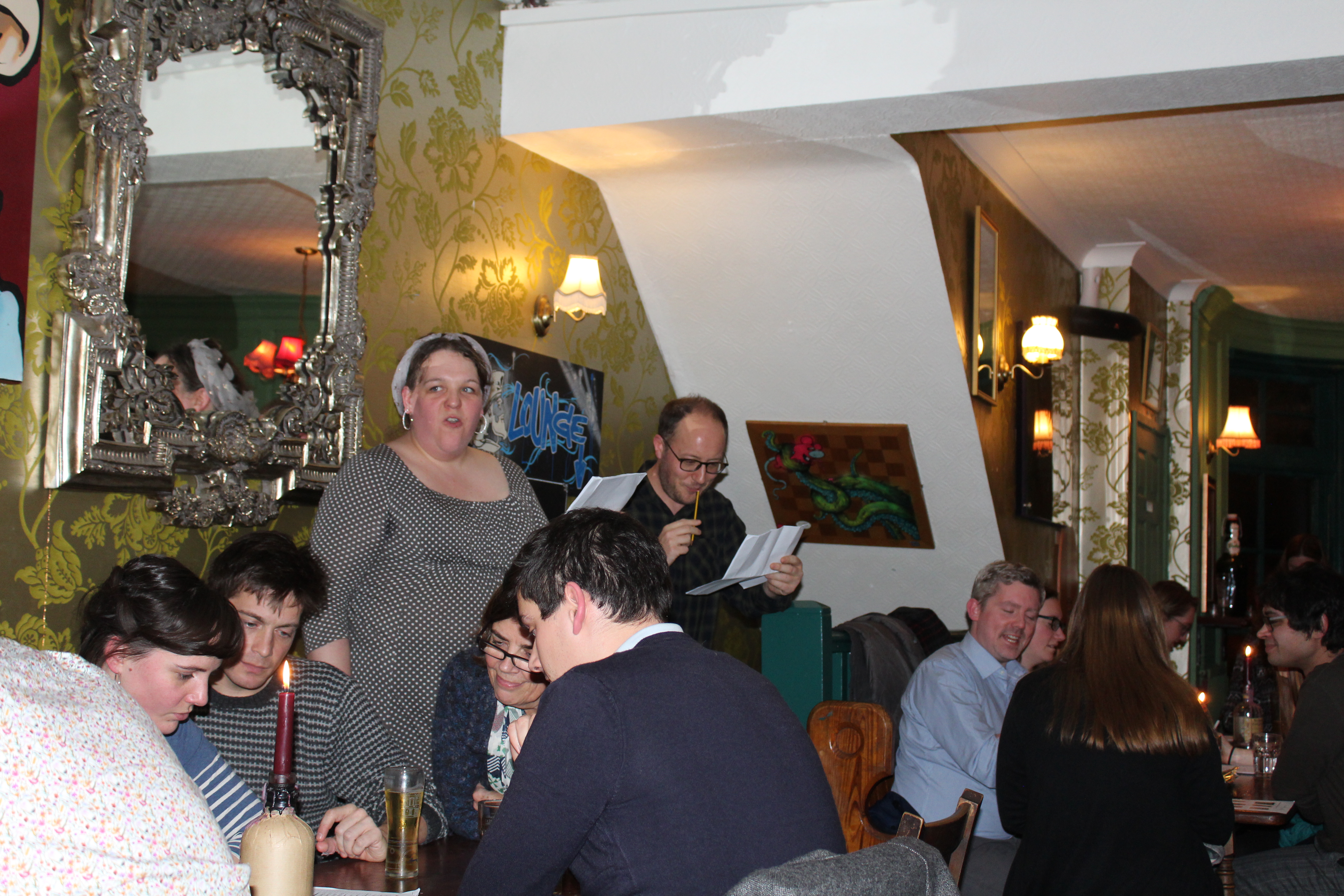
The Bristol Branch had a really successful pub quiz on Tuesday 29th January in the Golden Guinea pub in Bristol’s historic Redcliffe area.  Not only did it raise over £100 for the branch but we brought forty History enthusiasts out on a cold winter night to a historic pub.  The lively quiz masters were Richard Kennett and Sally Thorne and the rounds were on

  • What every Year 7 is expected to know
  • Britain before 1800
  • “Foreign” History
  • Britain after 1800
  • Bristol History
  • A picture round which included Mary Seacole, Lucrezia Borgia and Annie Kenney

The teams of four were made up of local branch members, PGCE students and History students, History teachers and their friends. Much to their surprise one of the oldest teams taking part made of Rob Pritchard (Branch Treasurer), Mary Feerick (Secretary), Nigel Varley (retired History teacher) and Silu Pascoe (Branch Member) won the amazing trophies provided by Richard Kennett.  However even this team did not know the answer to “What was the only trace the Roanoke settlers left behind in 1590?” or  the meaning of the Latin inscription on Clifton Suspension bridge (Suspensa vix via fit).

Everyone had a really fun evening and enjoyed the quiz masters sense of humour and the friendly atmosphere.  The feeling was this should become an annual event.
img_0488

img_0479                 img_0482

img_0484                img_0491

Bristol Industrial Archaeological Society Event on Saturday 6th April

For 2019, BIAS, the Bristol Industrial Archaeological Society, will be hosting the event. It will take place on Saturday 6 April 2019 at Saltford Hall, Wedmore Road, Saltford BS31 3BY, registration opening at 9.15am. The cost of attendance is £20 per delegate, to include lunch and hot drinks. Speakers include Geoff Wallis of the Avon Industrial Buildings Trust: ‘In Circles: Restoration Work on Brunel’s Swivel Bridge at the Bristol Docks’; Eric Lyons, of Risca Industrial History Museum : ‘The Black Vein Explosion of 1860 and the Miners’ Graveyard’, and Bias member Eric Miles of the Avon Valley Railway: ‘Sentinel – The Rise and Restoration of a steam shunter from Keynsham’s Somerdale Works.’
Delegates have the option of concluding the day with a visit, either to Saltford Brass Mill (subject to weather; numbers limited); Kingswood Museum, for which there will be a small admission charge; the Avon Valley Railway, or industrial Keynsham (a walking tour led by Mike Bone.

Back to the Seventies.

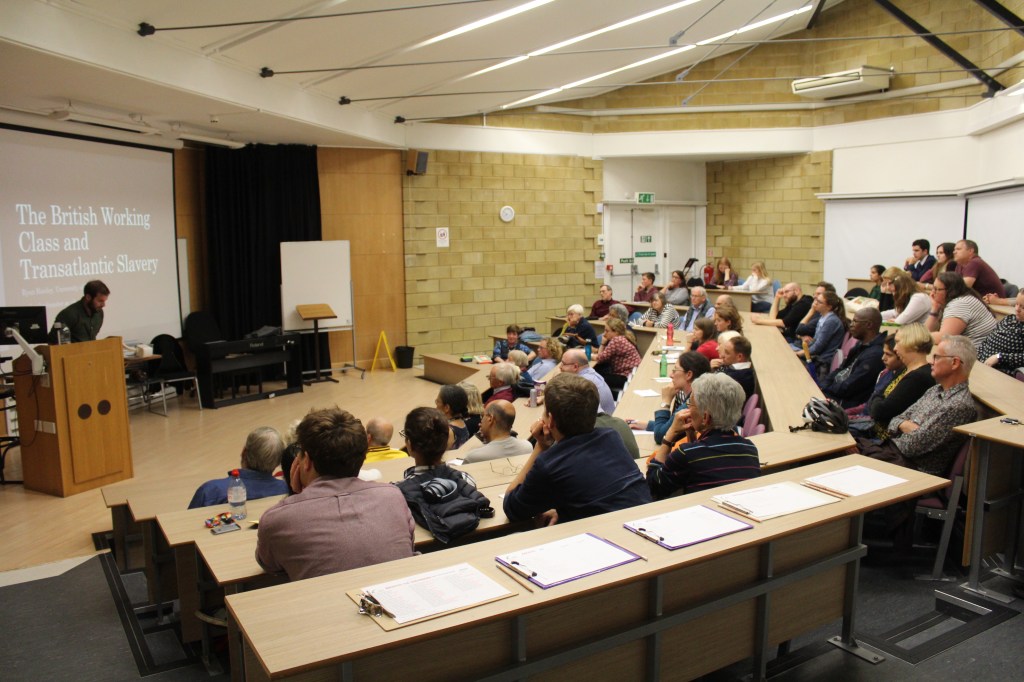
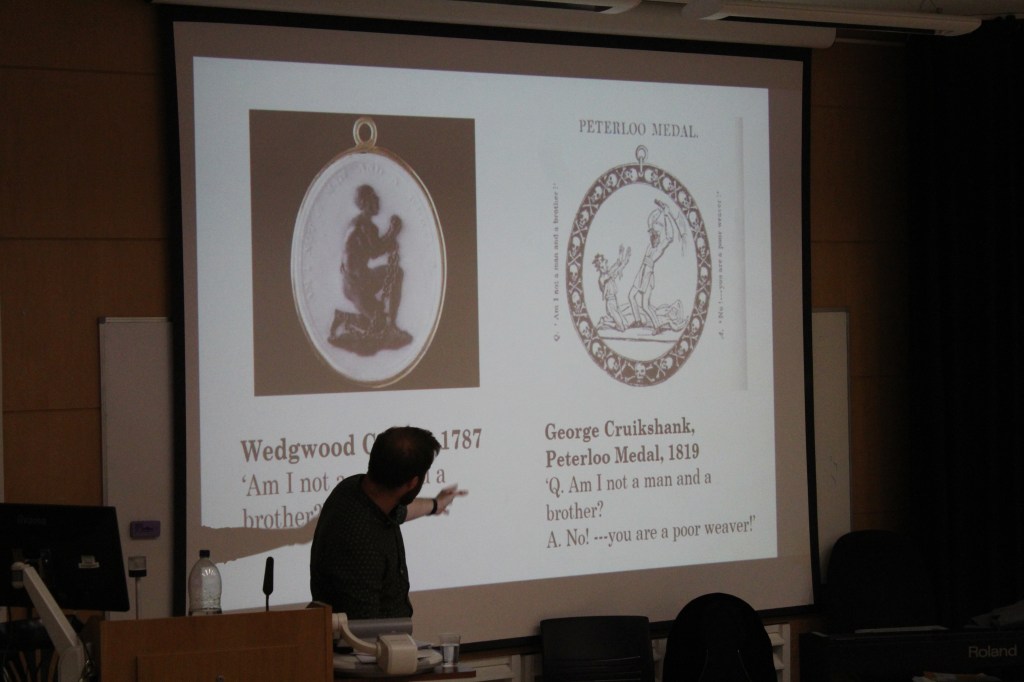
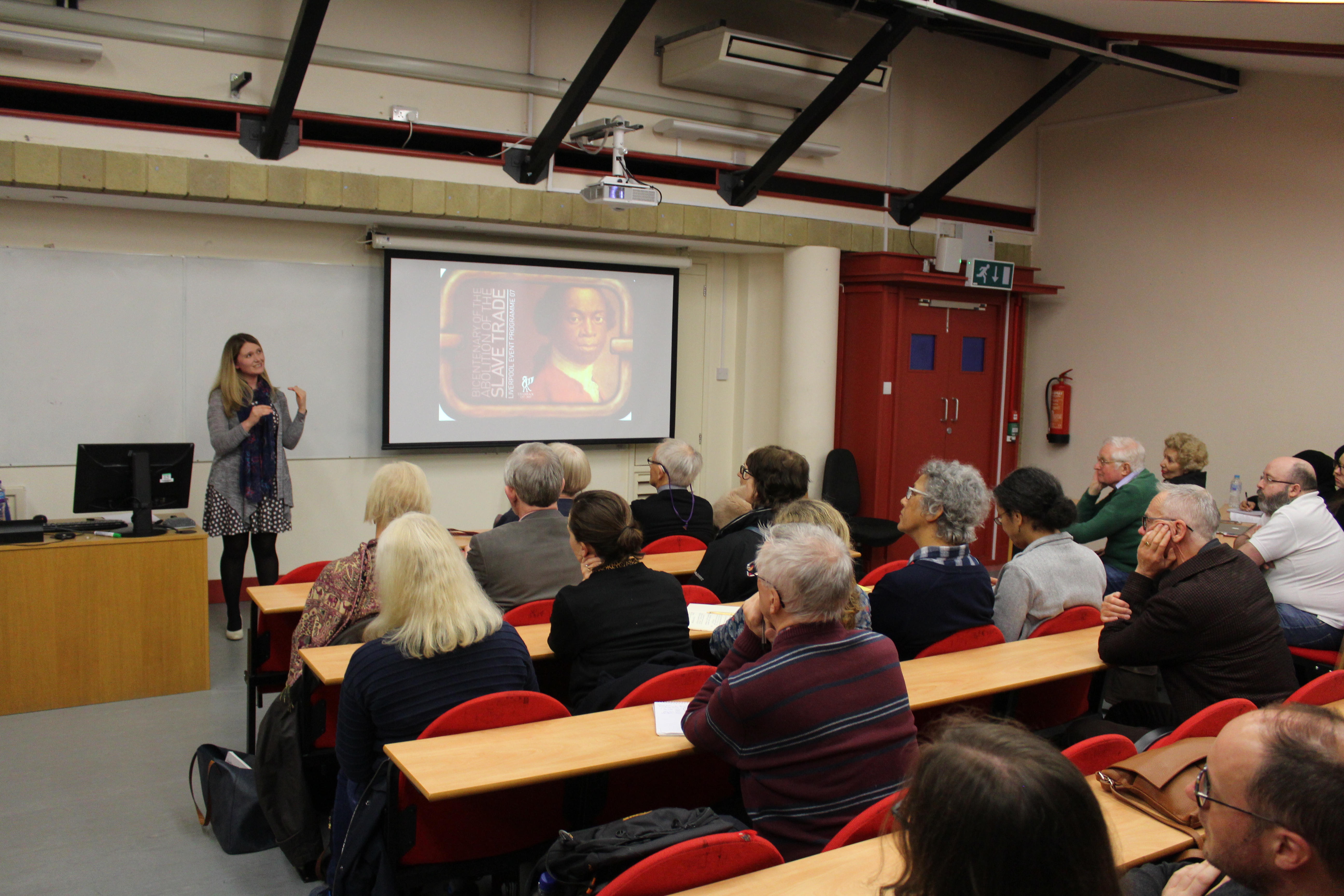
Wednesday 16th January 2019. In our first lecture of 2019 Dr James Freeman took us back to the 1970’s and showed us how in many ways there were parallels with the austerity of the 2008-2018 period. He also showed how Euro Scepticism and Brexit had links with the 1970s and how misrepresentation by the British media and more recent British politicians of this decade is still part of our political story. He explored some of the key differences as well. Our members took part in a lively question and answer session at the end of the lecture, many sharing their personal experiences of life in the 1970’s. It was a really good start to 2019.

img_0430

1970s Mrs T

How Mary got into History

Our Secretary asked to write “How I got into History” article for The Historian
Since our branch is becoming well-known our Secretary Mary was asked to write a short column on how she got into History for ‘The Historian’ by Rebecca Sullivan the CEO of the Historical Association. This will come out later this year and Mary’s article about how a little girl with no background in History and few books in the house was drawn into History will be recognisable to all her former students and colleagues as personal, a little sentimental but also totally Mancunian. Once it is out in the Historian we will reprint it on local website but here is the photo that goes with the article for now.

mary feerick in c1965