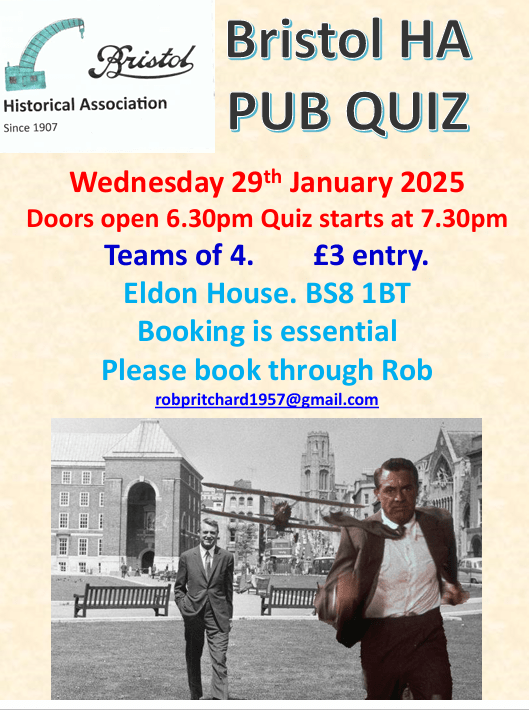
Thanks to all the pub quiz teams who participated in the 2025 quiz at the Eldon House pub. Most teams did well on the picture, sport, ‘better known as’ and music rounds. Quite a few participants found the Bristol blue plaque and fashion rounds more challenging. Rob recognises that perhaps the history music round should move beyond the 1970s. A few folk need to differentiate between their panniers, crinolines and bustles. A lively start to 2025.
It’s not too late to join our pub quiz on Wednesday 29th January at the Eldon House pub in Clifton. If you don’t have a team we have several teams with spaces.
I would like to bring it to the attention of the Bristol Historical Association members that John Williams, Bristol City Archivist 1988 – 2012, died suddenly at home on 27 Dec.
John provided great support to the Branch’s members and authors during his time as City Archivist and I’m sure that there must still be those who remember him and would want to know the sad news.
His funeral is on Thursday 30th January at 2.15pm at Coychurch Crematorium Bridgend CF35 6AB with tea afterwards at Heronston Hotel CF35 5AW.
A very well attended lecture (79) heard Martin Conway present the arguments on why 25 years into the 21st century historians should re-examine the perspectives from which they examine the previous century. The historians in 1960s and ‘70s came from a specific starting point. A liberal and democratic Europe had emerged out of the darkness of Nazism, the war and holocaust, mass violence and retribution. Scholars of this generation were supported to explore the archives, presenting the case that Western Europe should not return to the chaos of the 1920s and darkness of the 1930s and ‘40s. This version of history was written by a population of white, male historians as he cited the work of Tony Judd. Other areas of European history were often ignored, in particular imperialism and racial diversity. The arrival of new populations in Europe in the 1950s and ‘60s was largely overlooked while the success of Western Liberal Democracy downplayed the shortcomings of Federal Germany. The model of a Europe working together towards a united Europe was seen as the narrative that few living in 2025 would recognise. European unity was more like a rubber band close to snapping.
Professor Conway went on to explore the three factors that contributed to this. First the changed shape of Europe after 1989 with a return to the real centre of Europe not based on a small Western Europe but a Europe more like that of 1848. In addition, the relevance of the border lands of the southern Mediterranean, the Middle East including Palestine and the war in Syria. At present there are six states waiting to enter the EU.
The second factor was how the actions of governments were viewed by citizens. While perhaps 95% of historians had voted against Brexit many voters now saw themselves as consumers who no longer bought the solutions that governments in Europe, especially Brussels provided. Instead, politicians appealed to winners and losers or so-called ‘real people.’ While historians did not want to return to the 1920s and ‘30s politicians were not taking history so seriously and were moving to new forms of democracy. There were real problems regarding employment and housing and insecurity about perceived problems like criminality. Populist politicians were talking about these issues while historians, not able to find the archives for these issues in a digital age were not paying them enough attention.
The final factor Professor Conway discussed was the issue of an inclusive democracy. While the liberal historians of the 1960s and ‘70s were proud of the success of democracy, now they believed the people have gone wrong. Professor Conway argued historians are not listening to a new type of democracy because it did not fit their values and so losing touch with reality. They need to square up to the present and look at its positive aspects. Those who live in academia need to see that the wider world has real problems that do not exist in their experiences. They must listen to the voices of ‘cab drivers’ rather than dismiss things as ‘not as bad as that.’ This was why historians must move on to the perspective of the present to improve their understanding of the modern European of the twenty first century.
This thought-provoking lecture prompted some very informed questions from our audience which included several academics from the university. Having covered a range of points it was only with effort that our secretary managed to wind up the meeting before 9pm.
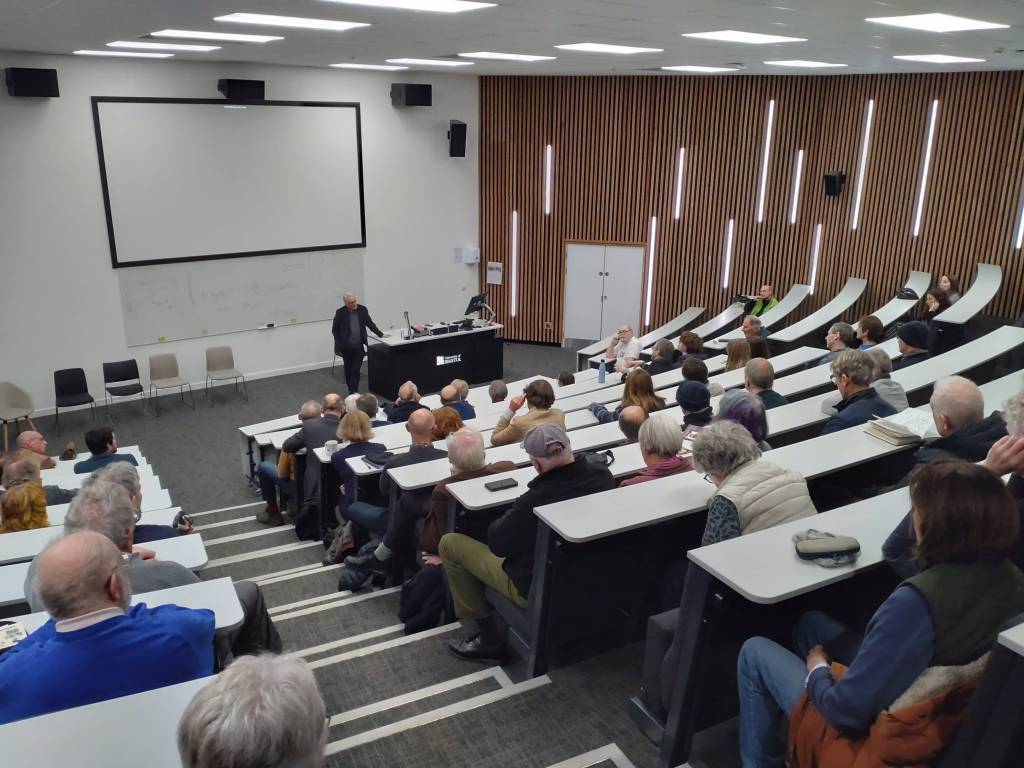
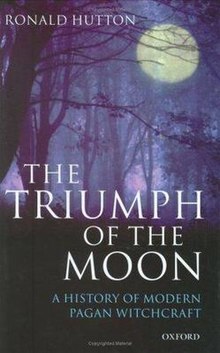
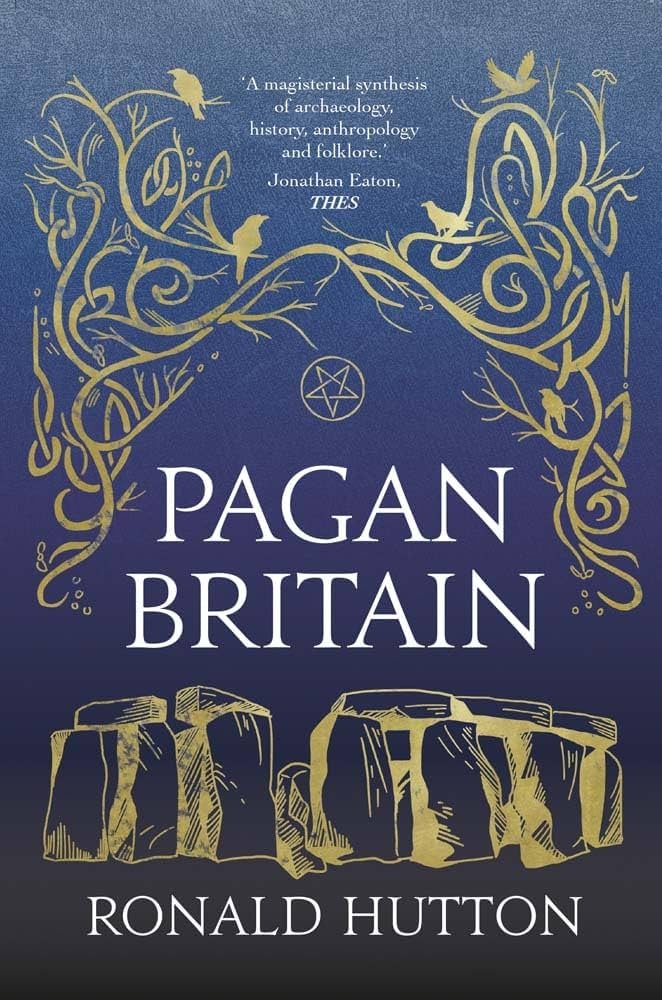
After a seasonal treat of mince pies and wine the final Bristol HA lecture of 2024 began with almost a hundred in the audience. Professor Hutton was on splendid form as he laid forth his History of Christmas in three elegant parts. Firstly, he established the typical views and customs of Christmas that most British historians had believed existed in the 1970s. The Christmas Carol, the yule log, the Christmas Card for example and how historians including himself now believed these midwinter customs had actually developed. He explained the need for a mid-winter festival of presents, lights and feasting as essential for surviving the bleak mid-winter across Europe and beyond. The Christmas Carol had actually begun as a 13th century dance and while the dance had died out the music continued. He traced the origins of mistletoe and holly for decoration. Servants had initiated the custom of kissing under the mistletoe only to be copied by their employers. The merging of Santa Claus with the longer established Father Christmas and the giving of presents to children were also explored. He got his audience involved as he recited Clement Clark Moore’s The Night before Christmas. The undoubted influence of German customs and especially Prince Albert and Queen Victoria’s erection of a Christmas Tree were also brought into the picture.
One of the key themes was the element of misrule with servants and peasants entertaining the more powerful with customs such as the Boy Bishop, wassailing, men dressing up as women and the association of antlers and reindeer with Christmas. The final third of the lecture was the most dramatic, exploring the ancient part of Christmas customs going back to pre-Christian and pagan traditions. He also demonstrated that within thirty years of the establishment of the 25th December as the date of Christmas St Gregory was already complaining in 381 AD that the true meaning of Christmas was being lost by excessive feasting and partying. He ended by tracking backwards from the shopping malls of our own times, through the period of Victorian Christmas customs to the mysterious Christmas traditions of the previous two millennia. The Bristol HA audience responded with lively questions including the links to pantomime and the role of Coca Cola in establishing Santa’s appearance in red.
On a very cold frosty night Professor of African History Dr Kate Skinner gave us a fascinating lecture on the treatment of widows in postcolonial Ghana. She began by putting the hundreds of millions of widows worldwide into context. Their image as an invisible group often increased by war and conflict was challenged by the Ghanian experience.
Ghana, formerly the British Colony of Gold Coast from 1874-1957 has not had the wars or interstate conflict of its neighbours. Today the age of marriage is increasing due to female education, narrowing the age gap between husbands and wives, while the size of families remains twice that of Europe. A key difference from the image of widows as invisible victims was the portrayal of Ghanian widows in popular culture. Among Ghana’s younger population older widows were often depicted as witches and driven out of villages but due to the country’s tradition of polygyny there were also young widows with small children. As a result, there were often complex inheritance disputes when husbands died. The British had attempted to resolve this by creating an Ordinance Marriage in 1884 but most Ghanaians had stuck to their polygyny traditions. After chiefs and elders District Commissioners could be appealed to settle inheritance disputes despite their lack of legal qualifications. Over time rich Ghanaians sent their sons to London to study for the bar. These returned to run Ghana’s postcolonial legal system.
Widows, including first wives were never entitled to their husband’s estate unless he left a will and they and their children were only entitled to a share of the estate with most passing back to the husband’s family. Professor Skinner’s research of legal cases produced snapshots over time of how wealth was accumulated by men and women. She was particularly looking at widows’ ‘rage’ rather than the invisible victim notion of widowhood.
Using two cases where men had died intestate and their widows had taken on their in-laws in the courts she showed how Ghanian widows had shown their power and persistence. In one case the hard work of the widow in running three cocoa farms (linked to the UK chocolate industry) gave her a significant state in the inheritance. One of these cases had led to the 1965 Children’s Maintenance Act (Act 297).
The questions from our audience also looked at the position of younger widows including child brides who still had little provision or protection compared with the first wife. The lecture raised some links to the situation of women and their families in other cultures and how many people in the audience had made a will themselves. A lively and very relevant lecture ended at 8.50pm.
As a follow up to our successful Russia Conference the Bristol Branch is hosting a Sixth Form Conference on African Kingdoms from 1pm- 4.30pm Friday 25th April 2025 as this an increasingly popular topic and Bristol Schools are leading the way. We are again being supported by the History and Education departments at Bristol University.
The speakers will be Professor Toby Green King’s College London
Professor Kate Skinner of Bristol University
Dr Jose Lingua Nafafe of Bristol University
Dr Esteban Salas of SOAS
The aim will be to support A level students and teachers doing the OCR’s African Kingdoms at A level. The event is free to all students and their teachers and more details will be on the Bristol HA website soon. Branch members will also be very welcome.
Our second lecture 2024-25 was preceded by our annual general meeting. Professor Thompson put Britain’s first Labour Government, led by Ramsay MacDonald into context. He outlined how party politics had changed from 1900 when 243 seats in the election had been uncontested. By 1918 Labour had become an organised party which had already won 20% of the vote after the war. He also explained how the expansion of the electorate to 20 million by 1924 had changed the nature of politics although the once dominant Liberal Party were still important in the 1920s. When at the end of 1923 the election gave the Conservatives 38% of the popular vote and the largest number of MPs but not an overall majority a Labour minority government was formed. It lasted less than a year but what was its significance?
It has been dismissed as insignificant by political historians but Professor Thompson argued it mattered in several ways. It showed Labour’s major ‘big five ministers’ and proved their competence. It also showed Labour’s ability to maintain continuity in areas like foreign policy and their attempts to balance their links with the trade unions against managing the budget. Chancellor Snowden produced the ‘housewives’ budget’ with reduced food prices. In many ways this 1924 Labour Government faced some of the same issues as the Labour Governments of the mid-1970s. This short lived Government showed Labour was fit to govern and established Labour’s identity. It was not simply a trade union party. It was clearly hostile to communism and the extreme left. It was a national party and at this point it had a powerful leader. The image and personality of James Ramsay MacDonald, later a discredited leader, was clearly an asset in the 1920’s. Professor Thompson showed how MacDonald’s image was replicated in waxworks and cigarette cards and his persona as a gentlemanly widower and father of two daughters was used in popular media to promote the party.
After the main lecture there was an excellent Q&A session in which members explored many of the issues raised included how in the 1930s Labour shied away from flamboyant leaders towards more understated figures like Clement Attlee.