23rd October 2024
Our second lecture 2024-25 was preceded by our annual general meeting. Professor Thompson put Britain’s first Labour Government, led by Ramsay MacDonald into context. He outlined how party politics had changed from 1900 when 243 seats in the election had been uncontested. By 1918 Labour had become an organised party which had already won 20% of the vote after the war. He also explained how the expansion of the electorate to 20 million by 1924 had changed the nature of politics although the once dominant Liberal Party were still important in the 1920s. When at the end of 1923 the election gave the Conservatives 38% of the popular vote and the largest number of MPs but not an overall majority a Labour minority government was formed. It lasted less than a year but what was its significance?
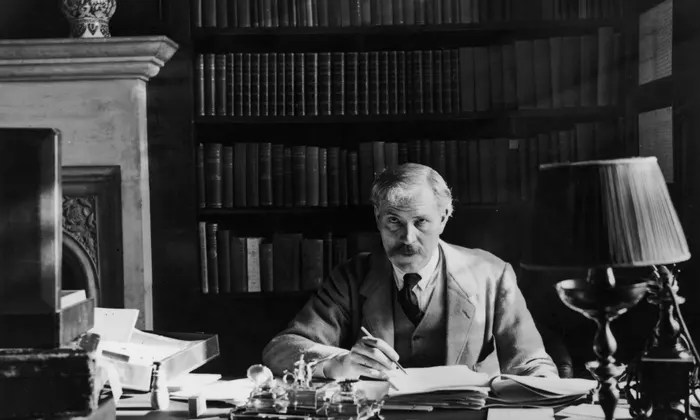
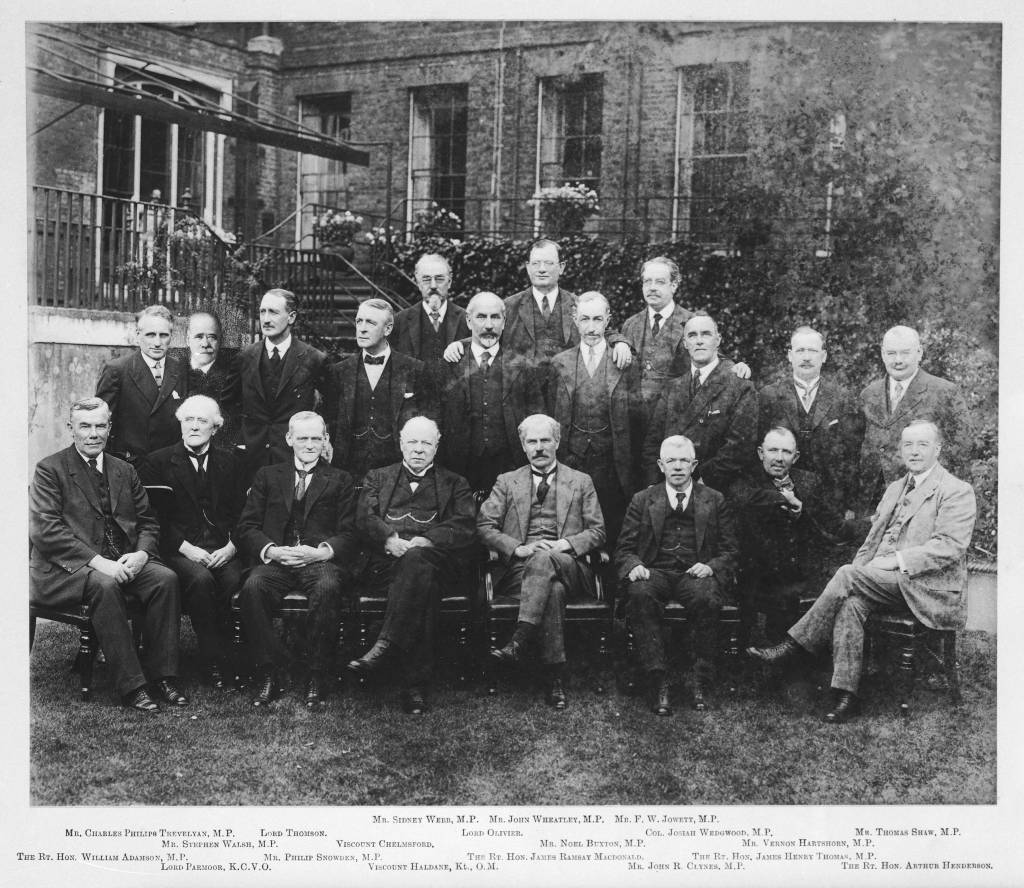
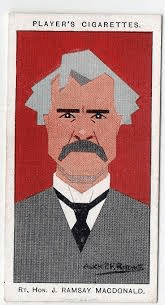
It has been dismissed as insignificant by political historians but Professor Thompson argued it mattered in several ways. It showed Labour’s major ‘big five ministers’ and proved their competence. It also showed Labour’s ability to maintain continuity in areas like foreign policy and their attempts to balance their links with the trade unions against managing the budget. Chancellor Snowden produced the ‘housewives’ budget’ with reduced food prices. In many ways this 1924 Labour Government faced some of the same issues as the Labour Governments of the mid-1970s. This short lived Government showed Labour was fit to govern and established Labour’s identity. It was not simply a trade union party. It was clearly hostile to communism and the extreme left. It was a national party and at this point it had a powerful leader. The image and personality of James Ramsay MacDonald, later a discredited leader, was clearly an asset in the 1920’s. Professor Thompson showed how MacDonald’s image was replicated in waxworks and cigarette cards and his persona as a gentlemanly widower and father of two daughters was used in popular media to promote the party.
After the main lecture there was an excellent Q&A session in which members explored many of the issues raised included how in the 1930s Labour shied away from flamboyant leaders towards more understated figures like Clement Attlee.
 Bristol Historical Association