Henry VIII…… Another BLOckbuster lecture from Ronald Hutton

Wednesday 1st May 2024

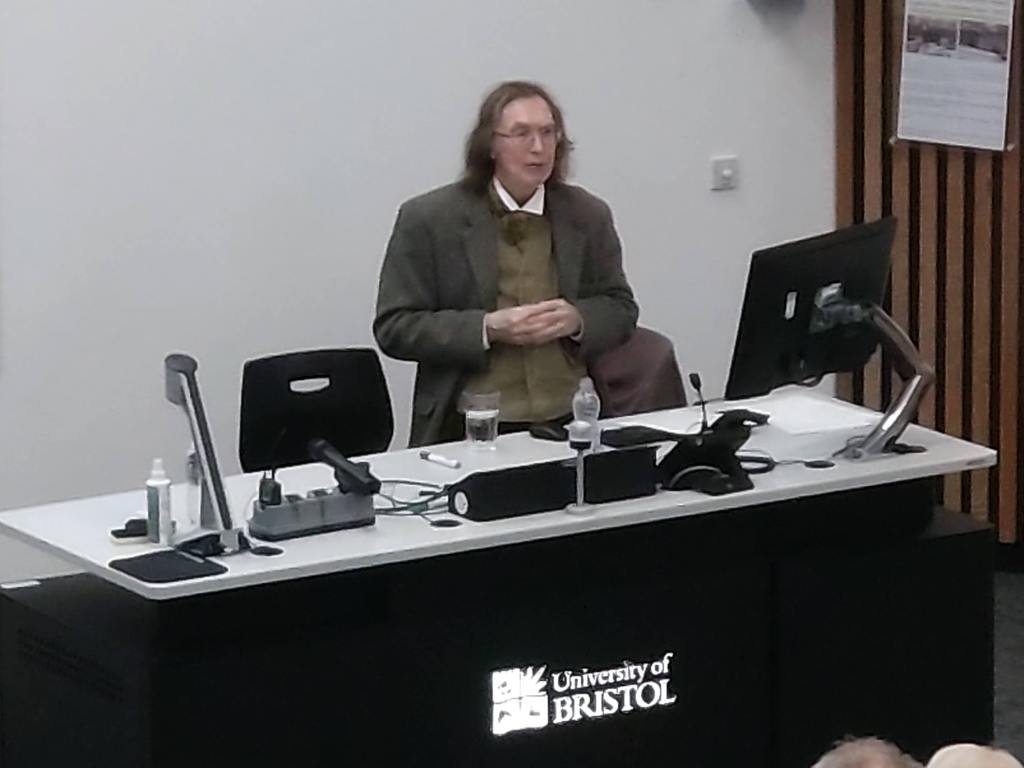
Professor Hutton’s lecture was never a defense of Henry making clear he showed every characteristic of a megalomanic right from the beginning of his reign.  His war against France, his assault on the Pope’s authority, the immediate execution of his father’s chief ministers and his ambition to be the Holy Roman Emperor all showed Henry as a King with a “chip on his shoulder” from the start of his rule.  Henry attempted to model himself on King Arthur and Henry V and was man of manic energy, enormous appetite, and impressive physical presence. The lecture posed four apparently straight forward questions about Henry and his kingship.

  • Was he businesslike?
  • Was he cultivated or intelligent?
  • Was he a nice guy?
  • Was he a good general or statesman?

 Professor Hutton presented detailed evidence for and against each question with wit and conciseness overturning many of the traditional myths about Henry’s role in English History. He was clearly a selfish monarch who discarded those he had no further use for, destroyed much of the heritage of the English Catholic church and was responsible for the death of hundreds including 330 political executions in eight years.

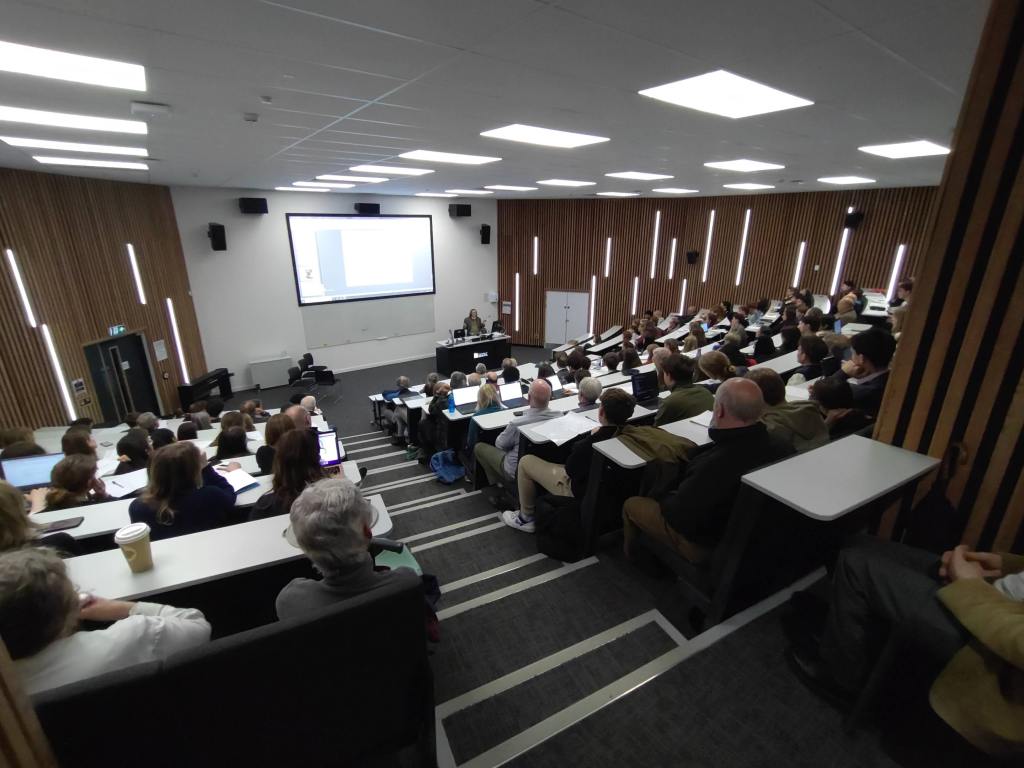
 Professor Hutton made three conclusions about the strengths that enabled Henry to survive for 38 years as monarch.  These were his choice of talented ministers, his ability to handle his nobility in the century after the Wars of the Roses, and his use of Parliament.  Finally, despite his faults Henry has gripped the imagination of the public, historians, and A level examiners in a way no other king of England has done.  This brilliant lecture was followed by lively and well informed questions from our audience of 167 to which Professor Hutton responded with wit and expertise until unfortunately we ran out of time.  One local teacher told us her students we still “buzzing” the next day.  
Review of Professor Brendan Smith’s lecture  

Migration in an age of plague and warfare: England in the late Middle Ages

17th April 2024

Last week our Bristol HA audience heard a highly relevant reappraisal of ideas on immigration and population movement in the context of England in the late Middle Ages. Professor Smith’s lecture took in modern views of the Windrush generation and the focus on immigration in an election year in the UK. He shared his observations on protests that Republic of Ireland was “full up” despite its population being 3 million less than before the famine of the 1840s and claims that a billion immigrants were on the move across the Globe.
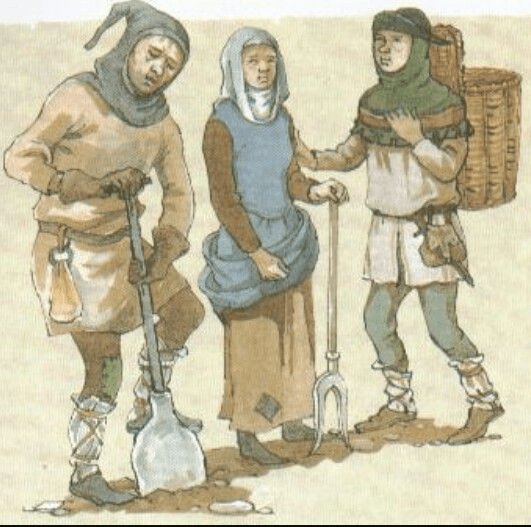
He urged the need for historical context that went back before the 19th century nation state to overturn the myth that “no-one was allowed to travel beyond the next town”. Great medievalists like Marc Bloch had created a view of the medieval society of isolated, sedentary peasants when much more global experience and trade existed. Peasants in fact got up and left the land, re-locating in large numbers and in an age before the modern ‘state’ existed the authorities lacked the power to stop them. The key drivers for this movement in the late middle ages were plague and warfare.

He sought to distinguish between three types of population movement then and now. Immigration, Emigration, and internal migration. He cited Mark Ormrod’s website which showed the experience of those who moved to England between 1350-1550 http://www.englandsimmigrants.com/

The resident alien populations of medieval cities and towns were of similar proportion to London in 1901. There were periodic moments of anti-foreign feeling. This included the massacre of the Flemish community in London in1381. Regarding emigration the experiences in Gascony, the Channel Islands and Ireland paralleled those of the 19th century British Empire. Particularly striking were the so-called “idle men” who in the Hundred Years War brought pillage and mayhem to France and often became mercenaries in other European conflicts. Most importantly the internal migration because of labour shortages after the Black Death caused rural peasants to get up and move to the towns which needed newcomers especially those with skills. In the South West industries attracted populations because of the woollen industry. This internal migration rather than peasant rebellions led to the break up of the feudal system. Brendan concluded with a quote from Thomas Hardy who lamented the decline of the traditional old customs of the English countryside in the 19th century as people moved away. Brendan suggested that populations had never been static and the countryside had seen movement and change throughout the late Middle Ages.
There followed some excellent questions from our audience. Many of us who think of ourselves as modern or even contemporary historians were given real food for thought by Professor Smith.

CHANGES TO OUR MAY AND JUNE SCHEDULE

Please note that we have rescheduled our end of season events.

Wednesday 1st May 7.30pm Lecture  Professor Ronald Hutton The Kingship of Henry VIII
Sunday 12th May 10.30am – 12.30pm WalkRob Pritchard Bristol harbour walk. Contact Rob if you would like to go
Wednesday 19th June 7.30pm LectureMike Robinson Fanny and George: two teenagers at Waterloo

223 at Bristol HA Russian history conference

Wednesday 27th March 2024

223 students and teachers came from as far away as Plymouth, Chard and Gloucester to the Bristol Historical Association Rusian history conference.

Dr Alistair Dickens talked to the conference about the different interpretations of the Russian Revolution. Professor Geoffrey Swain talked about the Russian Civil War. Dr Maria Mattingly’s talk asked whether the Soviet Union was doomed from the start. Alistair Dickens finished the day with a talk to teachers about new approaches to teaching Russian History.

Resources have been put on our website.

Artistic Invention in fourteenth century Siena

Professor Beth Williamson. 13th March 2024.

Professor Williamson acted as a consultant for the international exhibition on the development of religious images in Siena which opens in New York  in October 2024 and at the National Gallery in 2025.  Her books The Madonna of Humility (2009) and The Reliquary Tabernacle (2020) traced the development of medieval religious art.

She began the lecture with an early 14th century Avignon wall fresco and a Petrarch manuscript now kept in Liverpool’s Walker Art Gallery. Professor Williamson beautifully illustrated lecture showed the development of reliquary tabernacle art in Siena during the fourteenth century. 

The tabernacles that many of us see as only safes in which to store the Eucharist were developed by the late Middle Ages into reliquaries for sacred fragments. These were designed to display the relics in multi-media objects rather than the tiny tombs that had once housed relics. These elaborate objects were decorated in beautiful colours often painted and gilded and included wood, marble, and ceramics. The reliquaries were sometimes double sided showing relics on both sides. One such reliquary had been stolen in 1989 and only recovered in 2021.  These exquisite objects were paraded through the streets at the times of religious holidays. 

Professor Williamson’s lecture was about more than expensive church objects.  It covered the rivalry between the different workshops of artists like Lippo Memmi and how these artists looked at their rival’s work. She also showed how the portrayal of the Madonna changed from an enthroned Madonna to a Madonna of humility seated on the ground. The reliquaries became triptychs. 

The lecture opened up a beautiful world of colour and invention and took our attention away from the more well-known treasures of Renaissance Florence to the earlier achievements of fourteenth century Siena.